
You live on rue Daguerre, in Plaisance or near Alésia, and you go away for three weeks in summer, a month for work or a few weekends a year. Letting the flat while you are away is possible in Paris, within a precise framework. This article starts from your calendar as a resident of the 14th rather than from a textbook case. It relies on two sources: the City page Furnished vacation rentals: rules to follow, on paris.fr, and the municipal regulation on changes of use (resolution 2025 DLH 44).
Is the flat your main home?
Everything follows from this. The City of Paris defines a main home as one occupied for at least 8 months a year, unless professional obligations, health reasons or force majeure require otherwise. If you live in the flat all year apart from holidays, that is you. If an assignment takes you away for more than four months, check your position with the City before the listing goes live.
90 days a year: a count to keep
According to the City, you can let your main home as furnished tourist accommodation for up to 90 days a year. The City lowered this cap from 120 days with effect from 1 January 2025. For a resident who travels in summer and over some school holidays, the real task is adding up the nights let across every platform. We keep that count with you and close the dates as the limit gets near, while dynamic pricing puts the available nights on the weeks you are actually away.
A room is a different matter: letting a single room in your main home needs no prior authorisation or registration, according to the City, except for bed-and-breakfast rooms.
The registration is yours to file
Before the first let, the flat must be declared online, and the City gives you a registration number straight away. That number must appear on every listing you publish. The City states that only the person letting the flat can file the declaration. So we do not file it for you, but we then add the number on every platform when we handle listing distribution.
Article 7 bis of resolution 2025 DLH 44 also requires anyone who helps with a let in return for payment to inform the owner of their obligations and obtain a sworn statement from them. It states whether or not the flat is their main home and, where relevant, its declaration number. We will ask you for it before the first booking.
If you move out and keep the flat
Once the flat stops being your main home, the rules change. The City then treats it as hotel accommodation: you first need a change-of-use authorisation with compensation. Article 3 of the regulation requires that compensation to be in the same administrative quarter; the 14th has four: Plaisance, Petit-Montrouge, Parc-de-Montsouris and Montparnasse. The surface to be compensated depends on location: three times the area in the arrondissements on the map in annex 6, twice in the reinforced compensation sector, the same area elsewhere.
To check on paris.fr before you let
- that your situation fits the definition of a main home;
- the day cap in force in the year you let;
- the map of the reinforced compensation sector, if the flat is no longer your main home;
- the online declaration process and the number to display.
The regulation and the City’s pages can change: their wording always takes precedence over this article.
Frequently asked questions
How many days can I let my main home in Paris?
Up to 90 days a year, according to the City of Paris page on furnished tourist lets. The cap was 120 days before 1 January 2025.
What counts as a main home for the City of Paris?
A home occupied for at least 8 months a year, unless professional obligations, health reasons or force majeure require otherwise.
Can the concierge service register my flat for me?
No. The City of Paris states that the declaration is filed by the person letting the flat. We then add the registration number to every listing.
Do I need to register to let a single room?
No, according to the City of Paris: letting a single room in your main home needs no prior authorisation or registration, except for bed-and-breakfast rooms.
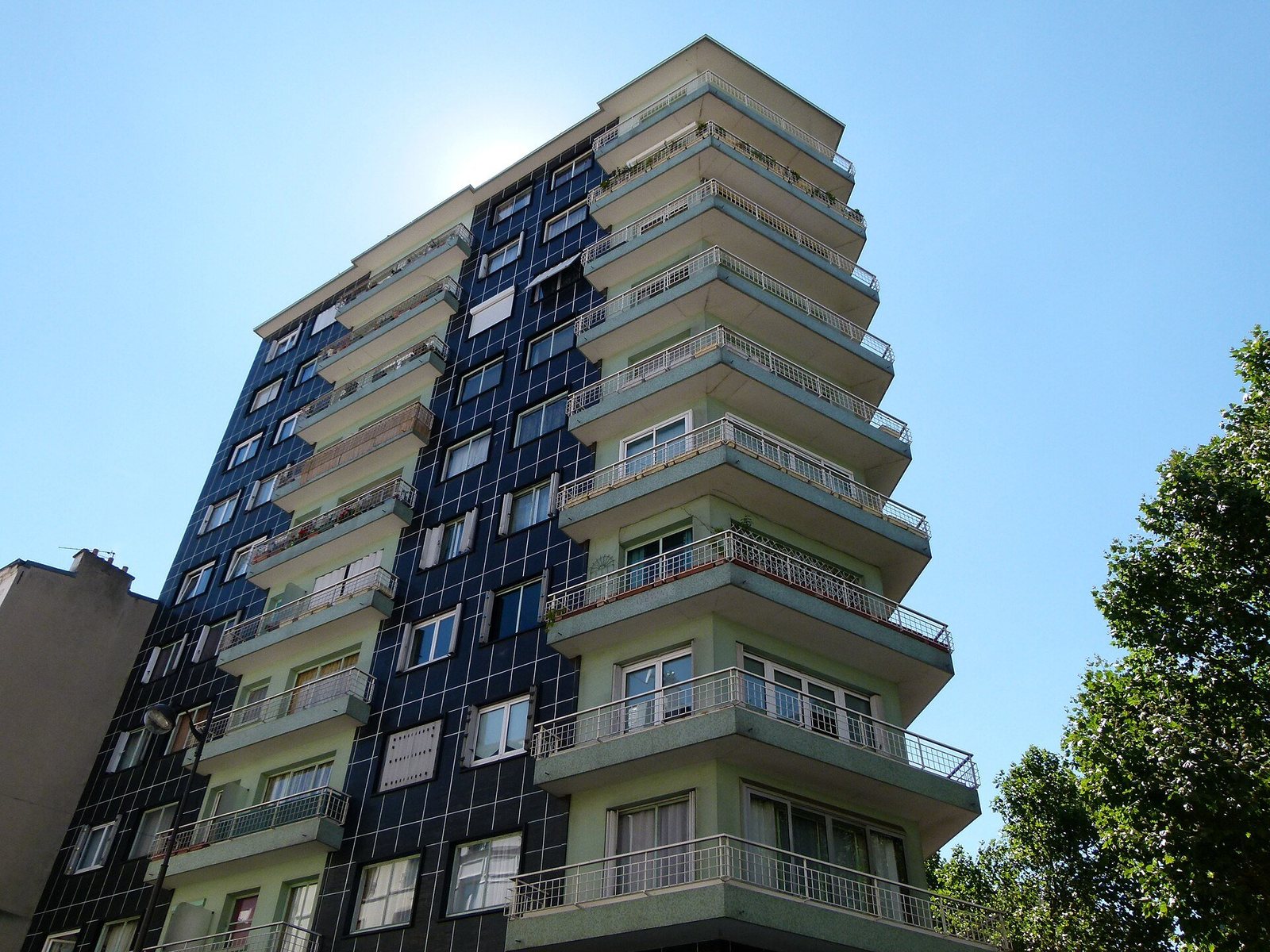
Photo: Dinkum, CC0, via Wikimedia Commons